
Cebu Pacific deploys spare A320neo for Vietnam seasonal lift
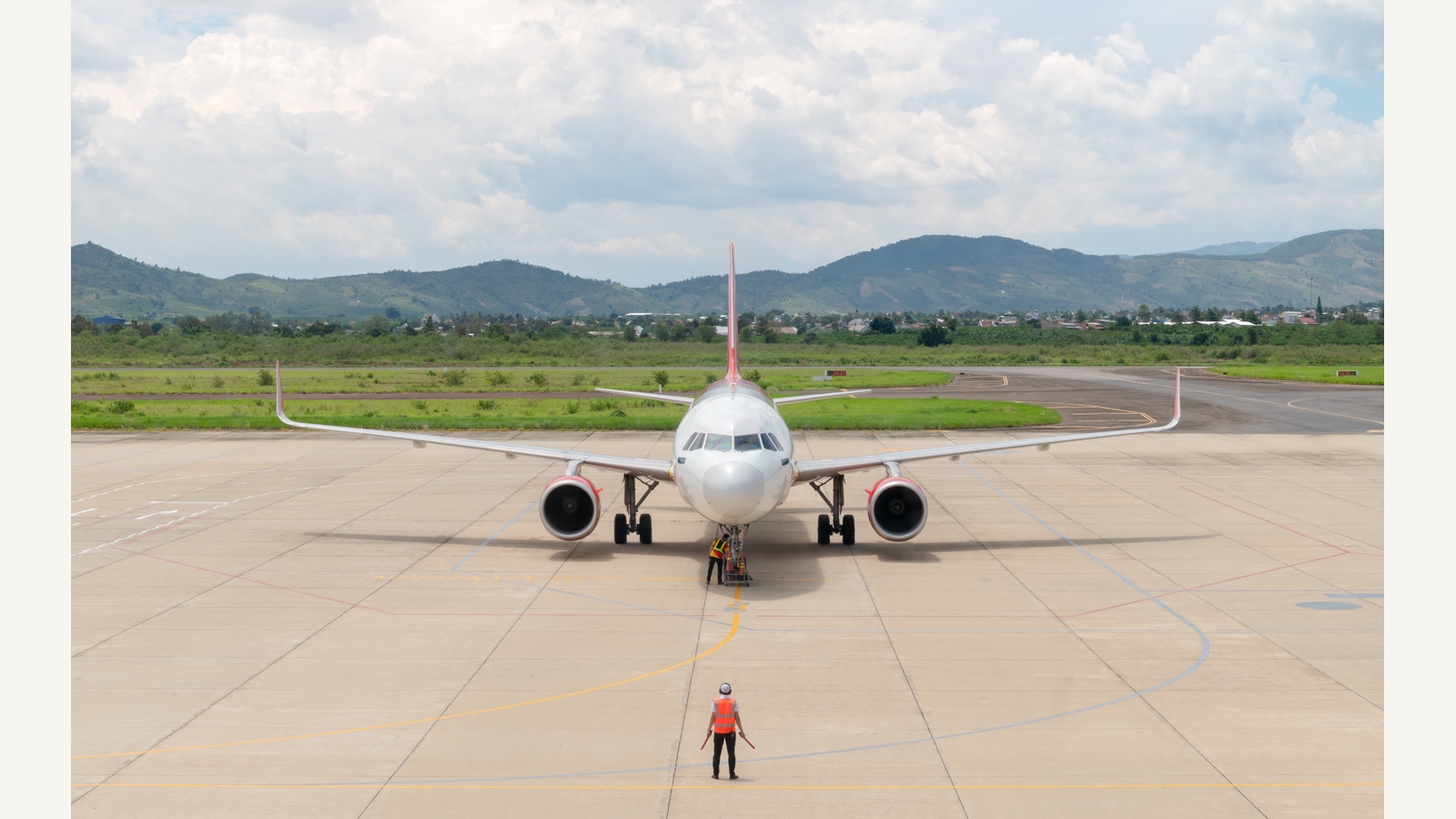
Cebu Pacific, the Philippine low-cost carrier, is supplying Vietnam Airlines with one Pratt & Whitney-powered Airbus A320neo under a wet-lease agreement. The aircraft will operate from Ho Chi Minh City between 15 July and 7 September 2026, serving domestic routes linking the city with Cam Ranh, Phu Quoc, Vinh and Da Nang.
Vietnam Airlines is Vietnam’s national flag carrier. Under the deal, Cebu Pacific provides the aircraft, crew, maintenance and insurance, allowing its client to secure short-term capacity without the need to source individual operating components independently.
Opposite seasons create a capacity trade
Cebu Pacific notes that the placement aligns lower demand in the Philippines with robust travel growth in Vietnam and the wider Southeast Asian region. For the lessor, the benefit is enhanced aircraft utilisation and revenue generated beyond its own ticket sales. The jet can earn lease income rather than remaining underused during a quieter period in its home market.
The economics of the deal extend beyond the airframe itself. As Cebu Pacific retains responsibility for crewing and maintenance, it can deploy trained personnel and technical systems alongside the aircraft. This approach preserves operational control while transforming fixed-cost resources into a bundled service offering.
Vietnam Airlines, meanwhile, gains speed and certainty. The carrier can expand peak-season flying for less than two months without committing to a long-term lease or assembling dedicated crews and maintenance support. The commercial rationale rests on whether rapid access to reliable capacity protects more revenue than the cost of the bundled service.
The aircraft is well-suited to the task. Vietnam Airlines reported 66 narrow-body aircraft at the end of 2025, split evenly between leased and owned jets, but only three were A320neos. The airline has stated that narrow-body aircraft primarily serve domestic markets and shorter international sectors.
High utilisation raises the value of flexibility
Vietnam Airlines reported aircraft utilisation of 11.8 block hours per aircraft per day in 2025, an increase of 16.8% compared with 2019 levels. This improvement reportedly reduced fixed costs by VND4.045tn against the earlier year.
These figures underscore why temporary capacity can command a premium during peak periods. A highly utilised fleet has limited capacity to absorb additional rotations or recover from operational disruptions. A wet-leased aircraft provides a complete operating unit while avoiding a permanent expansion of the fleet.
Execution risks centre on coordination. Any future programmes would depend on timely regulatory approvals, the acceptance of foreign crews and alignment with Vietnam Airlines’ operating standards. Airport slots, ground handling and passenger communication must also function seamlessly; delays could erode the value of a contract tailored for a short window.
A regional balancing model takes shape
The Vietnam agreement is not Cebu Pacific’s first foray into the leasing market. The carrier brought in two Airbus A320ceos from Bulgaria Air in 2024 to meet recovering Philippine demand. In 2025, it supplied two A320s to flyadeal, a Saudi low-cost carrier, for its summer peak.
This sequence reinforces the strategic case for such moves. Airlines in different markets do not always experience peak demand simultaneously. A carrier with common aircraft types and transferable operating systems can deploy capacity to markets where seasonal returns are higher.
However, this is not frictionless arbitrage. Aircraft availability must align with crew readiness, maintenance schedules and regulatory timelines. Repeated deals also require lease income to exceed positioning and support costs without compromising the integrity of the home network.
If the Vietnam operation proves reliable, Cebu Pacific secures a reference customer in a neighbouring market. For Vietnam Airlines, it represents another method to bridge demand fluctuations before committing to long-term capacity. The ultimate prize is a repeatable intra-Southeast Asian capacity pool, though its success will be measured by punctual operations and disclosed economics, rather than fleet movements alone.