AWC’s Bangkok cable car tests the economics of destination infrastructure
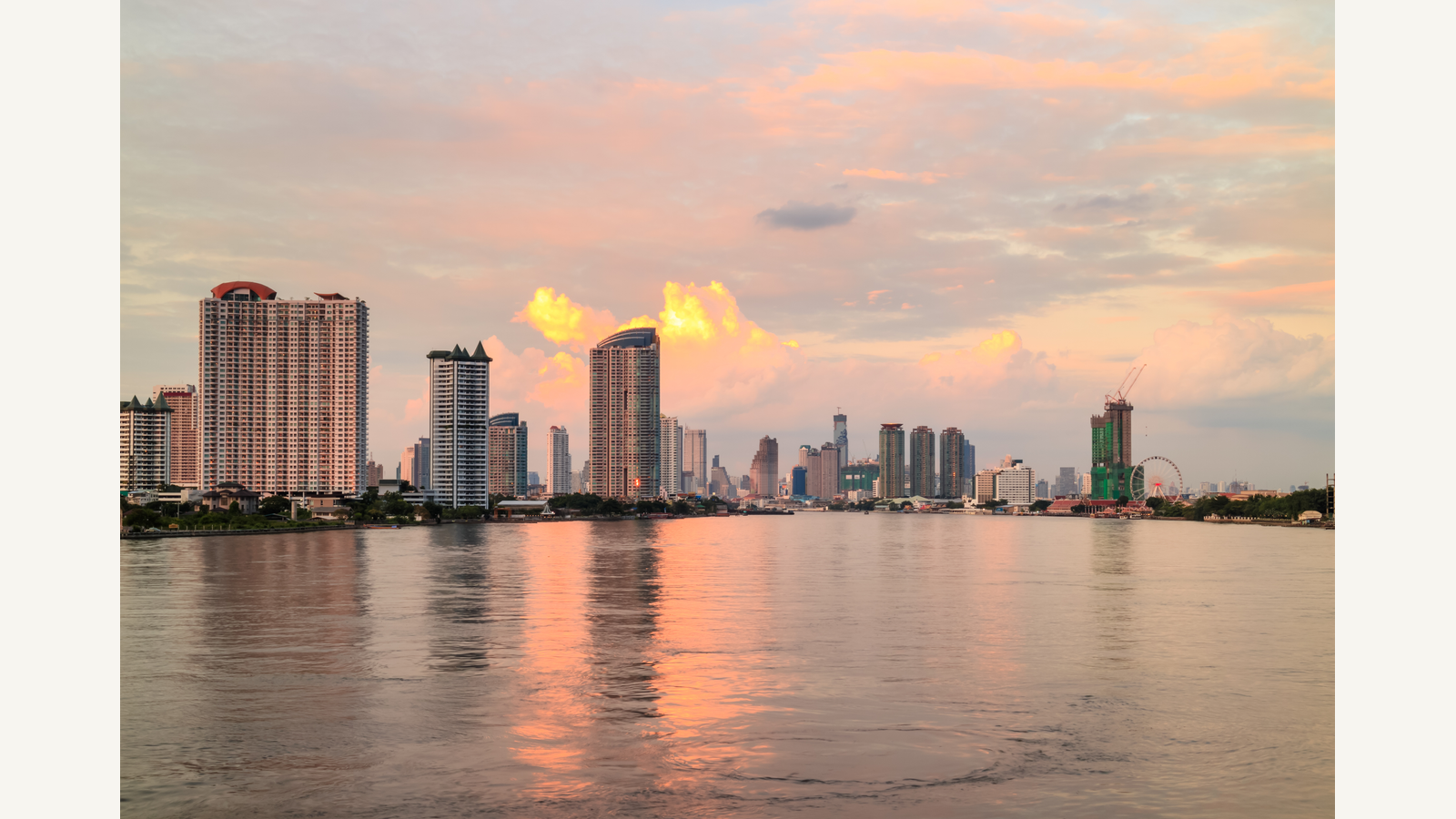
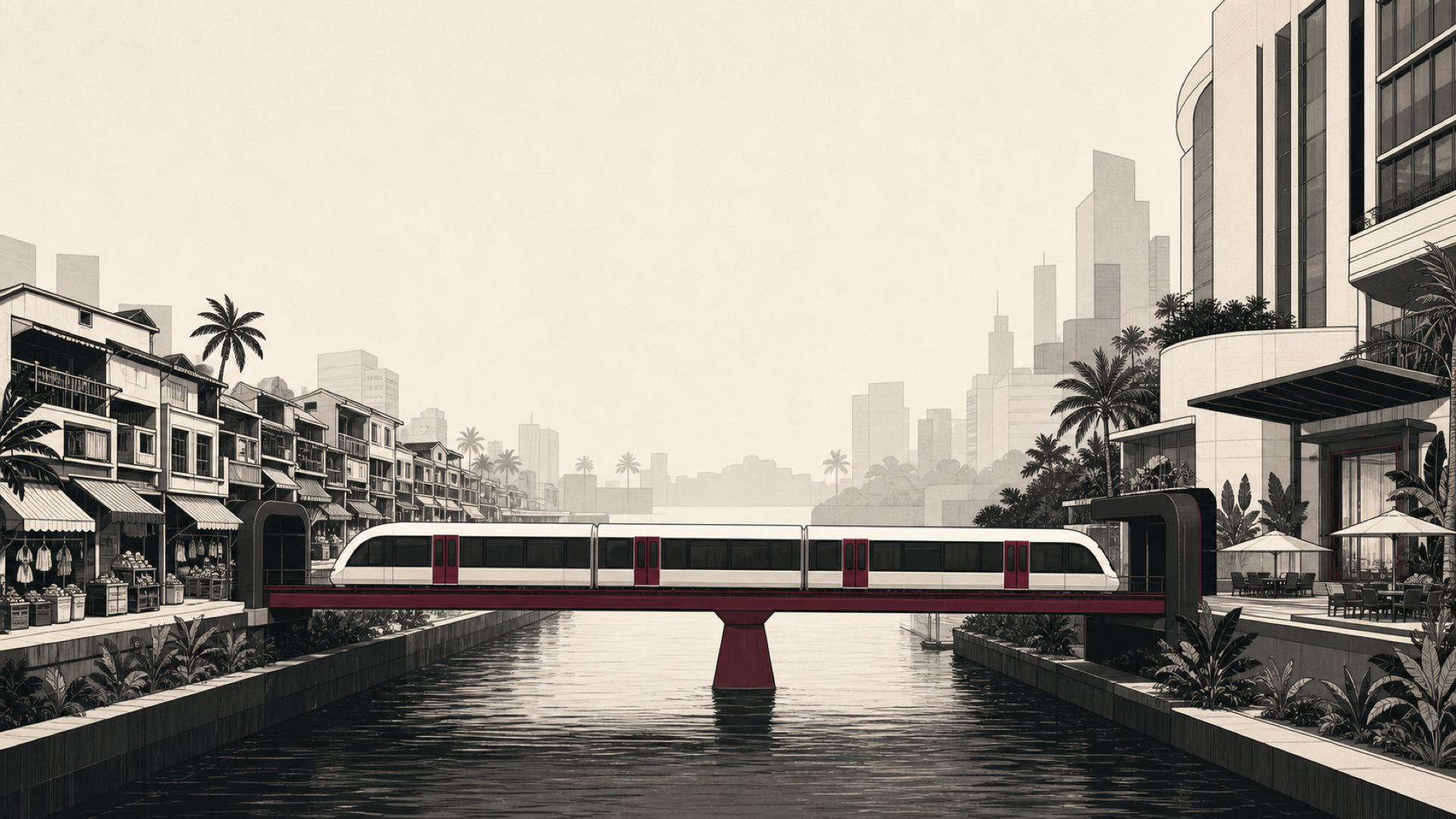
Asset World Corporation is asking a cable car to do far more than move people across Bangkok’s Chao Phraya River. The Thai integrated lifestyle real-estate group plans to invest more than two billion baht in a pylon-free link. It would connect Asiatique The Riverfront with AWC’s mixed-use development on Charoen Nakhon Road.
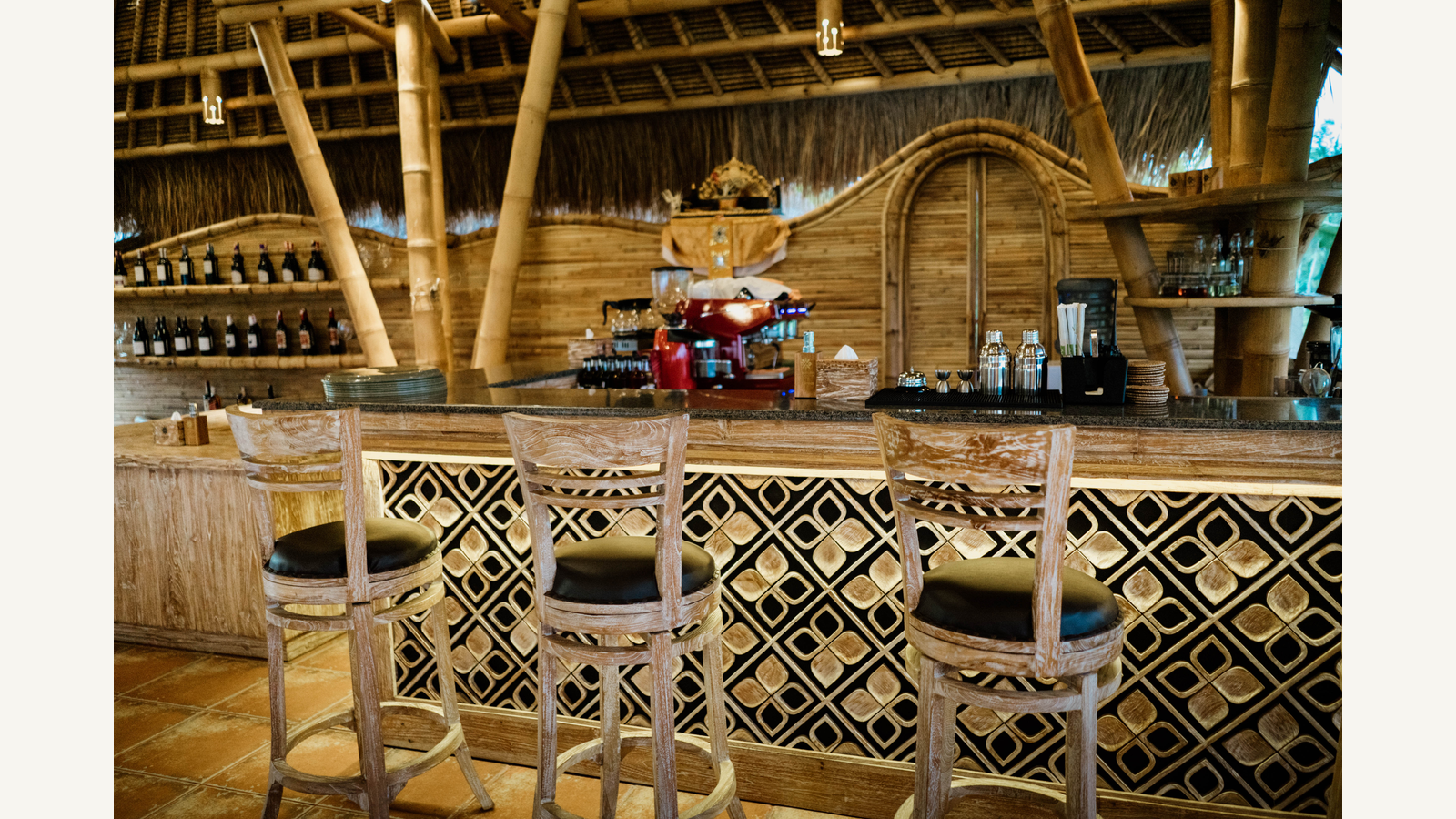
The route would also feed MONA Bangkok, a new Museum of Old and New Art developed with Australia’s Mona. AWC says the museum will be designed for Bangkok, with Thai and international artists, rather than reproduce Mona’s Hobart venue.
This is privately financed destination infrastructure. Its commercial test is not simply whether ticket revenue covers a transport asset. AWC can also gain when the link lifts retail occupancy, rents, museum visits and spending across its connected property.
A fare is only one source of value
AWC’s existing results show why that wider return matters. After Jurassic World: The Experience and the SkyFlyers ride opened at Asiatique, the company reported a 27% rise in visitor traffic during 2025. Traffic was 42% above its level before Jurassic World opened. Occupancy rose to 80% from 71%, while rental income increased 22.8%.
The momentum continued in the first quarter of 2026. AWC reported that Asiatique’s average daily visitor traffic increased 16% year on year. Occupancy reached 81%, while rental revenue rose 15% and earnings before interest, tax, depreciation and amortisation increased 21%.
These are company-reported figures, yet they demonstrate the model. An attraction can raise a landlord’s income even when its own ticket economics are unknown. More visitors improve the case for higher rents and fuller units. Longer stays create more chances to sell food, shopping and entertainment.
The cable car could extend that effect to both banks. A premium fare might maximise revenue per rider but limit circulation. A low or bundled fare could sacrifice transport income while feeding AWC’s other venues. The best price therefore depends on spending captured across the district, not just operating cost per passenger.
Missing numbers prevent a transport verdict
AWC’s July announcement gave no opening date, construction timetable, cabin capacity or service frequency. It also gave no fare or ridership forecast. The cost of MONA Bangkok and the partners’ commercial terms were not disclosed. Without those data, investors cannot test peak-hour queues, annual throughput or the cable car’s stand-alone payback.
Demand also needs separating into three groups. Some riders will treat the crossing as an attraction. Others may use it to reach the museum. A third group may simply move between AWC properties. Counting all three as new footfall would overstate the incremental benefit.
A useful investment case would show base, weak and strong demand scenarios. It would also disclose the share of riders buying a combined museum ticket. Most important is the extra spending created on each bank, after operating costs and any revenue shared with partners.
The commitment still demands capital discipline. AWC needs milestones that connect construction spending to approvals, procurement and demand testing. Management also needs one district-level return measure, so a weak transport result cannot hide behind stronger rents elsewhere.
The river removes easy engineering choices
Avoiding support pylons in the river could reduce disruption to the waterway. It does not remove the need to resolve terminal structures, cable clearance, bank foundations and emergency access. Those constraints will shape capacity, cost and the passenger experience.
The supply chain will require specialist ropeway technology, civil engineering, local construction and safety systems. AWC has not named a technology supplier or main contractor. That leaves procurement timing, performance guarantees and delivery responsibility unclear.
Approvals are another gating issue. AWC’s public announcement describes the concept but gives no approval status or construction schedule. Before launch, the project will need a credible route through the relevant public reviews and a plan for safe operations beside a working urban river. The absence of in-water towers may help the design case, but cannot substitute for it.
The themed elements add another integration risk. AWC wants art, light, sound and architecture embedded in the crossing. That can make the ride distinctive, but it also joins creative production to a safety-critical transport system. Scope changes in one package could delay the other unless responsibilities are tightly defined.
Mona turns mobility into a property strategy
Mona gives the development a cultural anchor rather than a ride alone. Founded by David Walsh, the Hobart venue pairs its art collection with live music and food. Wine and accommodation help turn a museum visit into a full day.
That mix explains the strategic fit. MONA Bangkok can support repeat programming and longer visits, while the cable car makes movement part of the paid experience. AWC can then capture value through rents and hospitality, even if the museum itself runs on thinner margins.
Bangkok will not automatically reproduce Hobart’s economics. The new museum must build a local audience, commission relevant work and sustain a changing programme. It will also compete for discretionary time and spending. A famous imported name helps discovery, but it does not guarantee repeat visits.
For AWC, success should be judged at district level. The decisive measures are incremental visitors, dwell time, spending per visitor and occupancy on both banks. A cable car that merely shifts existing guests may look busy without creating enough value.
The proposal is therefore less a transport project than a controlled experiment in destination economics. AWC owns the connections between movement, culture and commercial space. That gives it more ways to earn a return, but also makes transparent assumptions essential. Until fares, ridership, approvals and delivery partners emerge, the two-billion-baht commitment remains a compelling strategy with an unpriced execution risk.