Indonesia weighs sovereign capital for dedicated concert venues
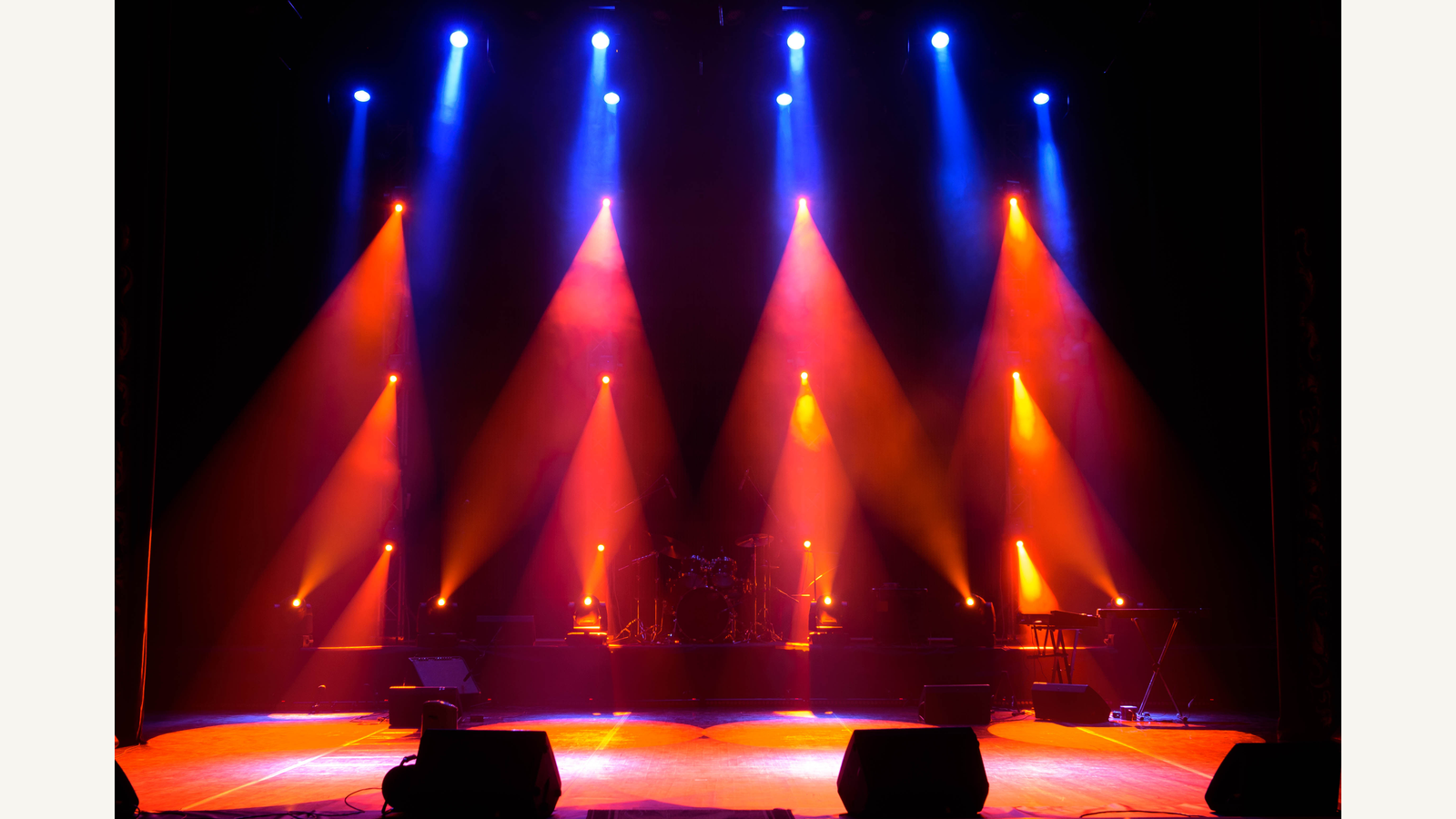
Indonesia's Tourism Ministry has opened talks with Danantara Indonesia regarding the financing of purpose-built concert venues. Tourism Minister Widiyanti Putri Wardhana disclosed the discussions after promoter associations complained of a shortage of dedicated facilities.
Danantara is Indonesia's state investment manager. Its investment arm says it must earn sustainable returns while producing economic impact, listing infrastructure and strategic property among its themes. While that mandate makes the venue proposal plausible, it does not automatically make any project bankable.
The talks remain preliminary. The ministry has not yet disclosed a site, budget, ownership structure or construction timetable. Its proposal should therefore be viewed as an attempt to create an investable pipeline rather than a firm commitment to build.
A shortage of the right capacity
Jakarta already possesses very large venues. Gelora Bung Karno is a sports complex where promoters must compete with sporting events for calendar space. Jakarta International Stadium is a football stadium that can accommodate up to 82,000 people for a match or concert.
Neither fact resolves the supply gap. Promoters require reliable dates, predictable conversion times and infrastructure designed for heavy touring equipment. They also need suitable acoustics, loading access, power and crowd circulation. A stadium may offer scale, but can impose extra staging costs and higher ticket-sales risk.
Jakarta International Stadium illustrates why the vicinity of a venue matters as much as the building itself. Wardhana noted that concerts there had faced limited transport access and heavy congestion. Jakarta's provincial government activated a commuter station, pedestrian bridge and new Ancol access on June 22, 2026, to better integrate the stadium with public transport.
Such improvements are commercially important. A venue that empties slowly raises security and transport costs, frustrates audiences and weakens nearby spending. It can also deter international tours whose schedules leave little room for disruption.
The lesson for new projects is clear: land should be assessed alongside rail capacity, road access and safe pedestrian routes. Space is also required for loading areas, temporary production compounds and orderly pick-up points. Cheap land on an isolated edge can become expensive once these links are added.
Danantara needs an operating case
Danantara could provide patient equity and help assemble state-owned land or infrastructure partners. Yet sovereign capital should not serve as a substitute for demand. A special-purpose company would need a long land tenure, an experienced operator and firm rules on public support. Lenders would then judge cash flow rather than policy enthusiasm.
Concert rent alone is unlikely to carry a large asset through quiet months. A credible model would combine live music with corporate events, exhibitions and selected sports. It could also generate income from food, premium hospitality, advertising and naming rights. However, each additional use affects the design and may dilute the promise of a music-first venue.
The central tension lies between specialisation and utilisation. Promoters want fast rigging, strong sound and reliable dates; investors want a busy calendar. The answer is not another generic stadium, but a flexible building whose conversion costs are known before construction begins.
Promoters should be involved early. Their touring forecasts can test capacity, stage dimensions and the number of viable show days. Advance booking agreements would carry more weight than broad expressions of interest. An independent demand study should also stress-test weak ticket sales and clashes with existing venues.
Procurement will shape the local supply chain. Venue construction can support engineering, specialist sound, lighting and crowd-management firms. Operations can create work for security providers, caterers and ticketing platforms. These gains depend on repeat use, not merely the economic burst of an opening night.
Jakarta first, then a measured pipeline
Jakarta is the logical place to prove the model, as the reported shortage and current access problems are concentrated there. This does not necessitate one giant project; a smaller indoor arena and a larger outdoor format could address different tour economics, provided their calendars complement existing sites.
Other Indonesian cities should enter the pipeline only after promoters show repeat demand and local governments offer connected land. A standard national template would be risky. Catchment size, air links, public transport and competing venues differ, while event seasons can overlap.
The Tourism Ministry is also attempting to simplify event permits, supporting the sector through its Event by Indonesia digital platform and Karisma Event Nusantara, a programme that curates local cultural events. Faster approvals can improve booking certainty, but they cannot repair a weak site or fill an oversized building.
The government views events as tourism infrastructure because visitors spend beyond the ticket. The ministry says that events can create jobs and opportunities for local people, artists and entrepreneurs. A dedicated venue could therefore anchor hotels, food businesses and production services around a reliable calendar.
That wider benefit should be measured separately from the venue's own returns. Public authorities may fund station upgrades or public spaces because those assets serve the city. Danantara's equity, by contrast, should face clear return hurdles and transparent performance reporting.
Before capital is committed, the proposed pipeline needs three proofs: promoters must demonstrate paid demand over several years; cities must offer land with funded transport connections; and operators must show how non-concert days cover fixed costs without displacing the music calendar.
Danantara can unlock coordination among these parties and lower the risk of a fragmented project. It cannot manufacture utilisation. Indonesia's opportunity is to build a venue business around access, operations and recurring demand – with the concrete shell coming last.