


Cebu Pacific puts satellite Wi-Fi to the low-cost test
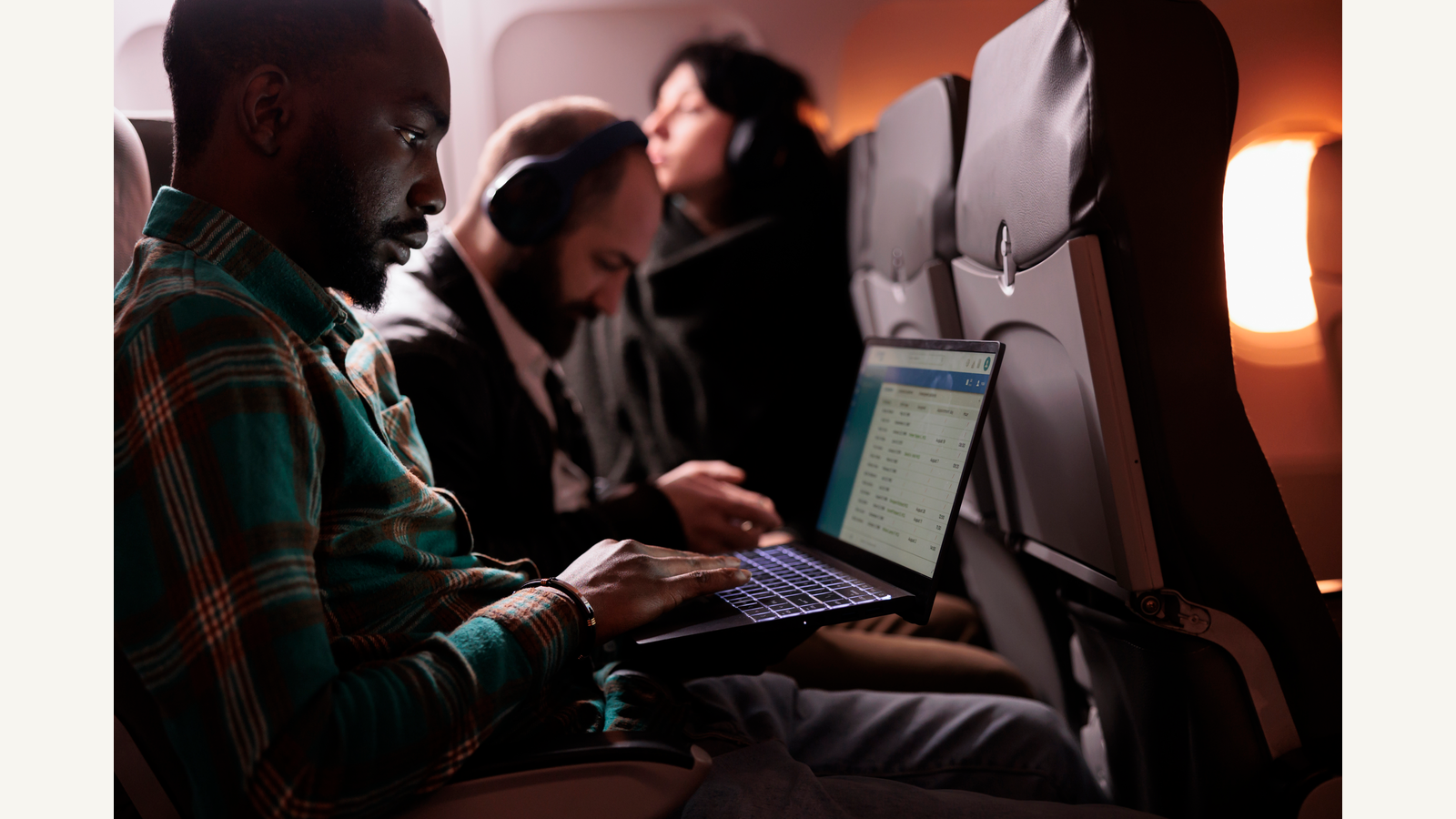
Cebu Pacific, the Philippines-based low-cost carrier, plans to introduce Starlink satellite internet from SpaceX in 2027, becoming Southeast Asia’s first budget airline to deploy the service. The system is intended to provide passengers with fast, responsive connections for streaming and work, while also linking flight crews and operational teams to extend the investment beyond a mere cabin amenity.
The rollout forms part of a programme assembled by Indigo Partners, the investment group behind several low-cost airlines. The plan covers U.S. carrier Frontier Airlines, European carrier Wizz Air, Mexico’s Volaris and South America’s JetSMART. Together, the five airlines expect to install Starlink on more than 1,000 aircraft.
Scale changes the installation equation
Satellite internet has traditionally been associated with premium cabins and full-service airlines. This programme tests whether group purchasing and a common technology platform can make the service viable within the tighter economics of low-cost travel.
Starlink says its commercial airline terminals can be installed within a few hours, reducing the time an aircraft is unavailable. It reported more than 1,400 commercial aircraft equipped in 2025, nearly four times the 2024 total – a base suggesting the product has moved beyond a small trial market.
Short ground time is critical because an idle aircraft cannot earn fares. While a programme of this magnitude can spread procurement, engineering and training work across several carriers, each airline must still schedule retrofits and secure the necessary approvals for its specific aircraft types and operating markets.
The hardware also brings a recurring trade-off. Antennas add weight and drag, which increase fuel consumption. Starlink claims its lower-mass, low-profile terminal limits that penalty, but for a low-cost carrier, even a small recurring cost must compete with the discipline required to keep base fares low.
Free Wi-Fi still needs a business case
Starlink directs airlines to its sales team for commercial unlimited pricing. Consequently, the economics will depend on negotiated equipment, installation and service terms, as well as passenger usage patterns.
A paid access tier could generate ancillary revenue, fitting the low-cost model of selling optional services. Alternatively, free access could support loyalty, repeat bookings and higher conversion on digital channels. Sponsorship or time-limited access offers another route, though each layer adds commercial and technical complexity.
The strongest case may combine customer value with operational gains. Connected crews can communicate with ground teams during flight, while operational applications can move information faster across the network. These benefits could help offset service costs if they reduce disruption, improve decisions or support onboard sales.
Fare discipline is the real test
The 1,000-aircraft commitment gives Starlink volume and Indigo’s airlines bargaining scale, yet it also creates execution risk. Delays in certification, hardware supply or installation slots could make the 2027 introduction uneven across Cebu Pacific’s network.
For Cebu Pacific, the strategic question is not whether passengers value connectivity, but whether the airline can package that value without quietly loading open-ended data costs into every fare. If group scale lowers costs sufficiently, satellite Wi-Fi can become part of the low-cost product; if not, careful limits and paid tiers will be required to protect fare discipline.