

Cambodia cargo surge fails to mask airport passenger gap
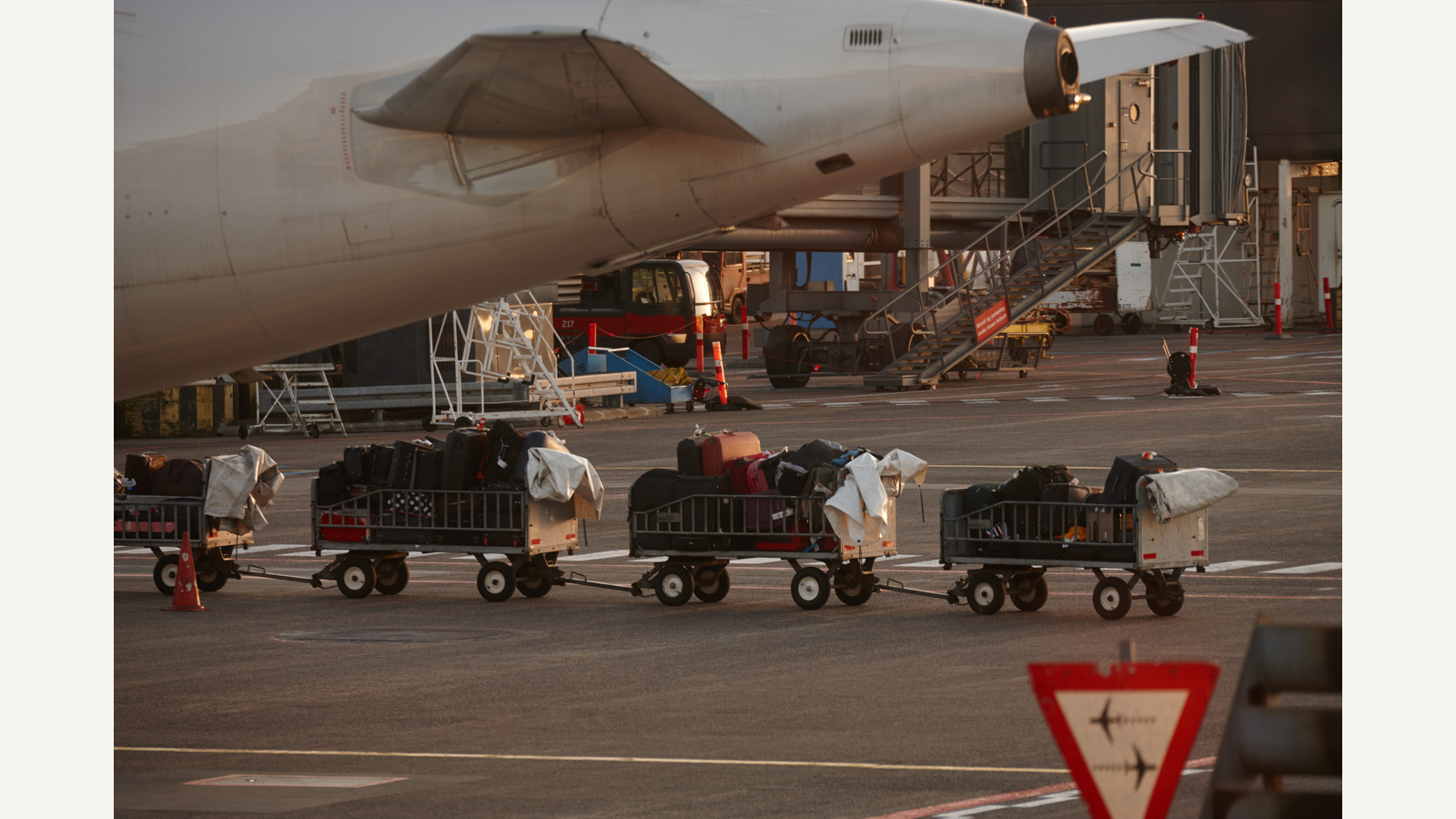
Cambodia’s international airports handled fewer passengers but significantly more freight in the first half of 2026, according to the State Secretariat of Civil Aviation. The divergence is notable as cargo growth was concentrated at the capital’s new hub, while lacklustre travel demand left the country’s expanded passenger capacity underutilised.
Passenger throughput fell 7% year-on-year to 3,269,297 between January and June. Commercial flight movements remained flat at 32,306, while cargo rose 29% to 47,627 tonnes. Overflights, which traverse Cambodian airspace without landing, increased 4% to 44,991.
The figures suggest airlines maintained broadly similar schedules but operated with fewer travellers. This trend can pressure passenger yields, though the aviation authority did not publish fares, load factors or specific airport revenue.
Techo dominates the network
A weekly snapshot from 6 to 12 July highlights the sharp concentration of activity. Techo International Airport, the primary gateway for Phnom Penh, accounted for 796 flights, or 70.3% of the national total. Siem Reap Angkor International Airport recorded 272 flights, while Sihanouk International Airport saw 60.
Dara Sakor International Airport in Koh Kong recorded four domestic flights linking it with the capital. Across the network, 33 airlines operated Cambodian routes, comprising 29 foreign carriers and four local airlines.
The mix was even more concentrated in freight. In May, Techo processed 8,463 tonnes – roughly 97.9% of Cambodia’s total. It also handled 342,067 passengers and 3,245 flight movements that month. In contrast, Siem Reap served 82,274 passengers and Sihanoukville 21,175, underscoring how tourism gateways remain eclipsed by the capital hub.
Carrier and route data also point to uneven demand. Previous official reporting listed Gulf carriers Qatar Airways, Emirates and Etihad Airways, along with Turkish Airlines, on links through Middle Eastern hubs. It also noted a temporary suspension of Lao Airlines’ Siem Reap service and a reduction in Bangkok–Phnom Penh flights.
New capacity meets weaker demand
Cambodia now operates two major new gateways. Techo began operations in September 2025 with first-phase capacity for about 13 million passengers annually. Siem Reap Angkor, which opened in October 2023, was designed for 7 million annual passengers and 10,000 tonnes of cargo in its initial stage.
These capacities significantly exceed current traffic levels. Cambodia handled 6.99 million passengers across its international airports in 2025. While the government set an 8 million passenger target for 2026, the first-half results reached only about 41% of that goal.
Chinese demand offers some support but remains inconsistent. Cambodia launched a four-month visa-free pilot for Chinese nationals on 15 June. However, Angkor Archaeological Park received 33,991 Chinese visitors in the first half, with China ranking only fourth among foreign source markets. Cambodia-Thailand border tensions have also weighed on regional tourism confidence.
Cargo helps, but does not erase the gap
Freight growth strengthens Techo’s case as a logistics hub. High-value manufacturing inputs and time-sensitive exports can support warehouse, handling and trucking activity around the airport. Cargo also provides airlines with another revenue stream on passenger routes.
But tonnage and passenger counts are not financially interchangeable. Travellers support terminal retail, parking and other services, while freight depends more on handling volumes, warehouse use and road connections. Current traffic data does not provide the yields or airport-level revenue necessary to prove that cargo gains are offsetting the passenger shortfall.
The near-term commercial test is twofold. Techo must convert freight concentration into durable logistics income, while airlines and tourism operators must rebuild enough demand to utilise the new terminals. More cargo can cushion the slowdown, but the network still requires stronger passenger flows from China and regional markets to justify its expanded capacity.