

AirBorneo’s flight reset tests rural network resilience
AirBorneo, the Sarawak state-owned regional carrier, is adjusting its timetable across East Malaysia from 6 July to 24 October. Unscheduled maintenance has grounded several turboprops, affecting an estimated 4,000 passengers. The airline is altering frequencies on approximately 594 flights and retiming a further 1,337 services.
The planned reset aims to replace short-notice cancellations with a timetable aligned to actual aircraft availability. This move increases certainty for travellers while allowing engineers more time to return grounded ATR 72 and DHC-6 Twin Otter aircraft to service. AirBorneo maintains that all existing destinations will continue to be served.
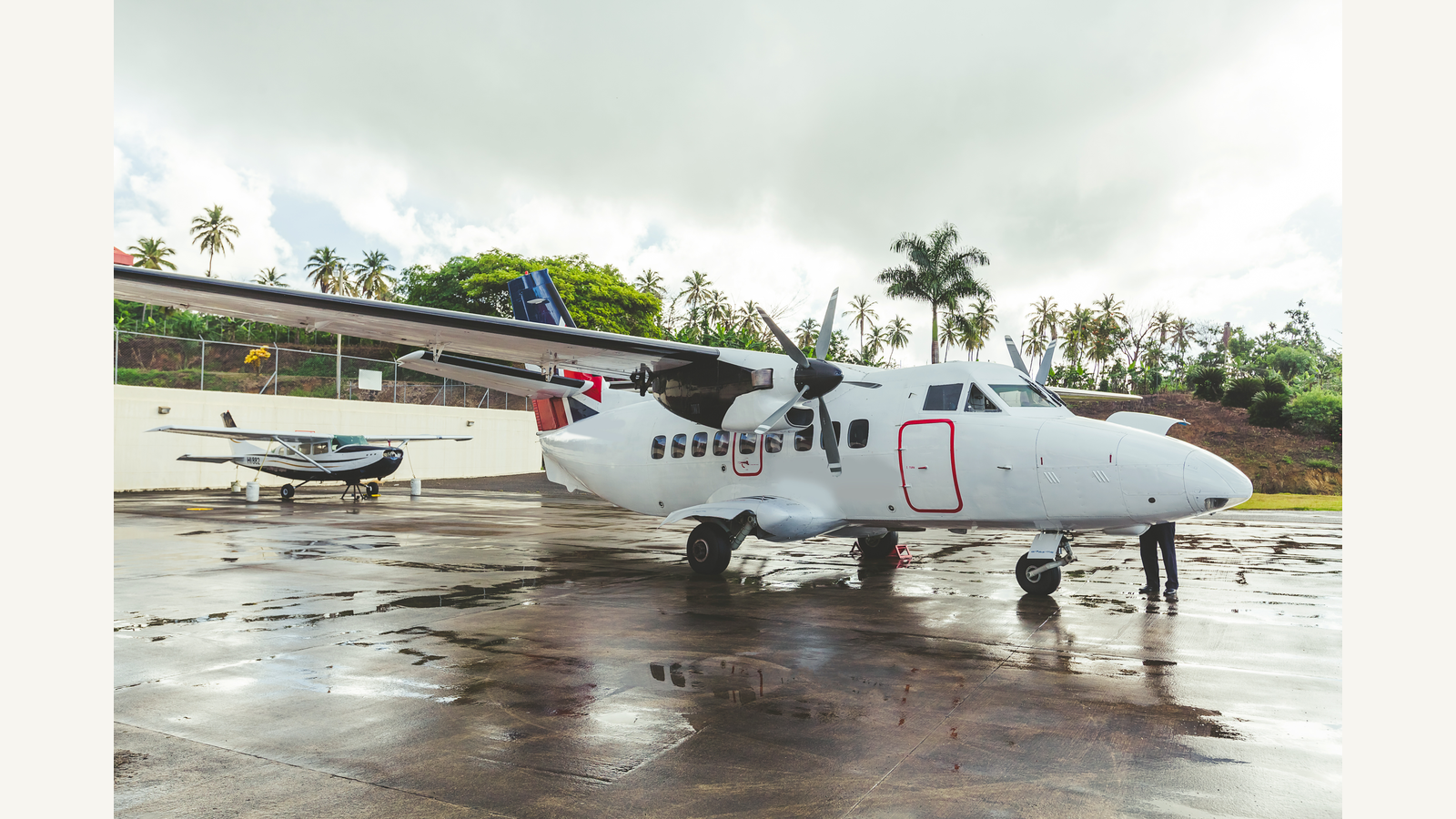
AirBorneo’s fleet comprises two Boeing 737-800 jets, eight ATR 72-500 turboprops and six DHC-6-400 Twin Otters serving 21 destinations. The loss of several aircraft is significant, particularly when accounted alongside routine maintenance requirements across the wider fleet.
A small fleet has little slack
Thin regional routes present a fundamental commercial challenge. While demand is often insufficient for jet operations, local communities remain dependent on these links for employment, healthcare and access to major transport hubs.
Turboprops bridge this gap by offering lower capacity and reduced fuel consumption on short-haul sectors. ATR claims its aircraft burn 45% less fuel than comparable regional jets. The manufacturer's claim helps explain why using larger jets to replace grounded capacity would often be expensive, even at airports capable of accommodating them.
A diverse fleet allows AirBorneo to match aircraft to specific runway conditions and traffic volumes. However, grounded aircraft limit these options. Engineering focus, spare parts and crew availability must all align before standby capacity can be utilised to cover technical failures.
Parts scarcity stretches the bridge
AirBorneo attributes current disruptions partly to global constraints on critical components and spare parts. ATR’s recent performance lends weight to this explanation; the manufacturer delivered 32 aircraft in 2025, below its initial target, after supply-chain disruption affected key components.
In February 2026, ATR reported that part shortages had declined to one-third of their early-2025 levels. Nevertheless, improvement does not guarantee immediate availability for an operator in Borneo requiring a specific part. AirBorneo states it is collaborating with engineering partners and manufacturers to expedite repairs.
Operational pressure will likely persist beyond the October timetable. New ATR 72-600 and ATR 42-600 aircraft are scheduled for progressive delivery only between the third quarter of 2027 and the third quarter of 2029. Until then, reliability hinges on disciplined scheduling, access to parts and sufficient engineering capacity to keep older aircraft flying.
Passenger protection limits the damage
Travellers affected by frequency changes will be moved to the next available flight, either on the same day or the day following. AirBorneo has pledged refund options and assistance in accordance with the Malaysian Aviation Consumer Protection Code, adding that fares on these routes will not increase due to the reset.
The Civil Aviation Authority of Malaysia stipulates that passengers of cancelled flights may choose between a full refund or rerouting under comparable conditions. Refunds must include all taxes and fees, be issued via the original payment method, and be received within 30 days. For a planned reschedule of at least three hours, airlines must provide notice as soon as practicable or at least 24 hours before departure.
While these protections shift some disruption costs to the airline, they cannot create additional capacity on low-density routes. AirBorneo’s reset therefore represents a trade-off: fewer surprises now in exchange for reduced frequency and less commercial flexibility. Success will depend on whether this revised schedule remains stable until repaired aircraft return.