LaLaport transport hub tests city-centre coach economics
The LaLaport Transportation Hub opened in central Kuala Lumpur on July 16, 2026, bringing long-distance coaches into the Bukit Bintang City Centre retail complex. Hannah Yeoh officiated at the launch of the rail-linked gateway, which is intended to make city access easier for travellers, including those on the Kuala Lumpur-Singapore corridor.
The terminal is operated by Asia Success Resources, which also operates the transport terminal at Kuala Lumpur International Airport Terminal 2. This experience matters because a city-centre coach terminal must coordinate timed arrivals, passenger handling and several connecting transport modes within a constrained urban site.
Capacity must turn into consistent demand
The hub expects about 3,000 passengers a day initially, against capacity for 10,000. That puts opening utilisation at roughly 30 per cent, leaving significant headroom for growth but also raising the cost of underused space if demand develops slowly.
Around 30 operators are expected to run about 150 daily trips, including a 24-hour express service between Kuala Lumpur and Singapore. This mix spreads traffic risk across operators, while the round-the-clock link could extend trading hours for nearby food, convenience and hospitality businesses.
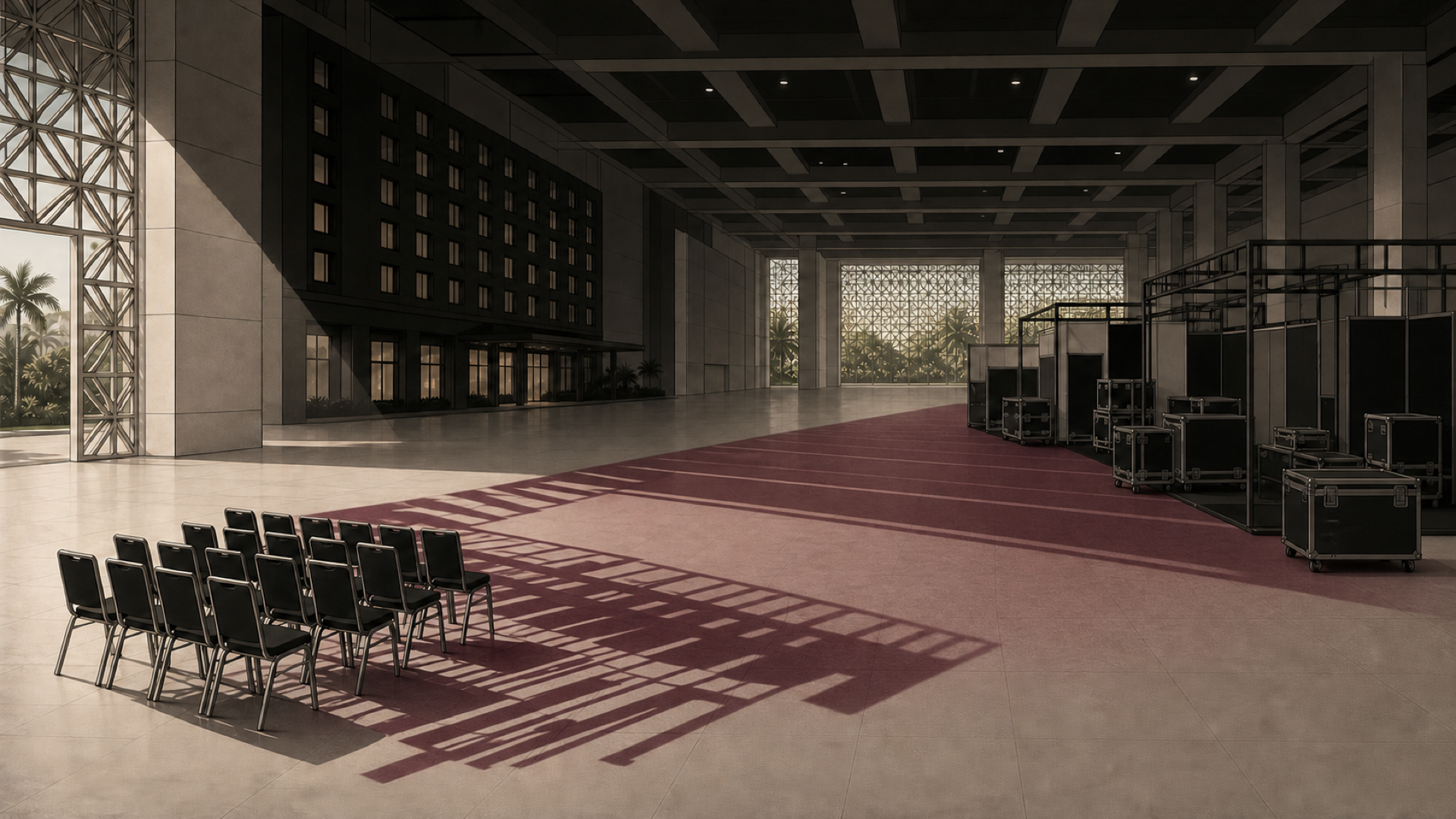
The physical platform is credible. The terminal has 11 bus bays – six for departures and five for arrivals – alongside a centralised ticketing system. It also provides a waiting lounge and passenger information screens.
However, bay capacity is only the starting point. Operators require reliable departure slots, rapid vehicle turnaround and enough passengers per trip to cover fuel, drivers, tolls and terminal fees. Poor punctuality or weak load factors could see operators reduce frequency, undermining the convenience that attracts travellers.
Rail links change the operator calculation
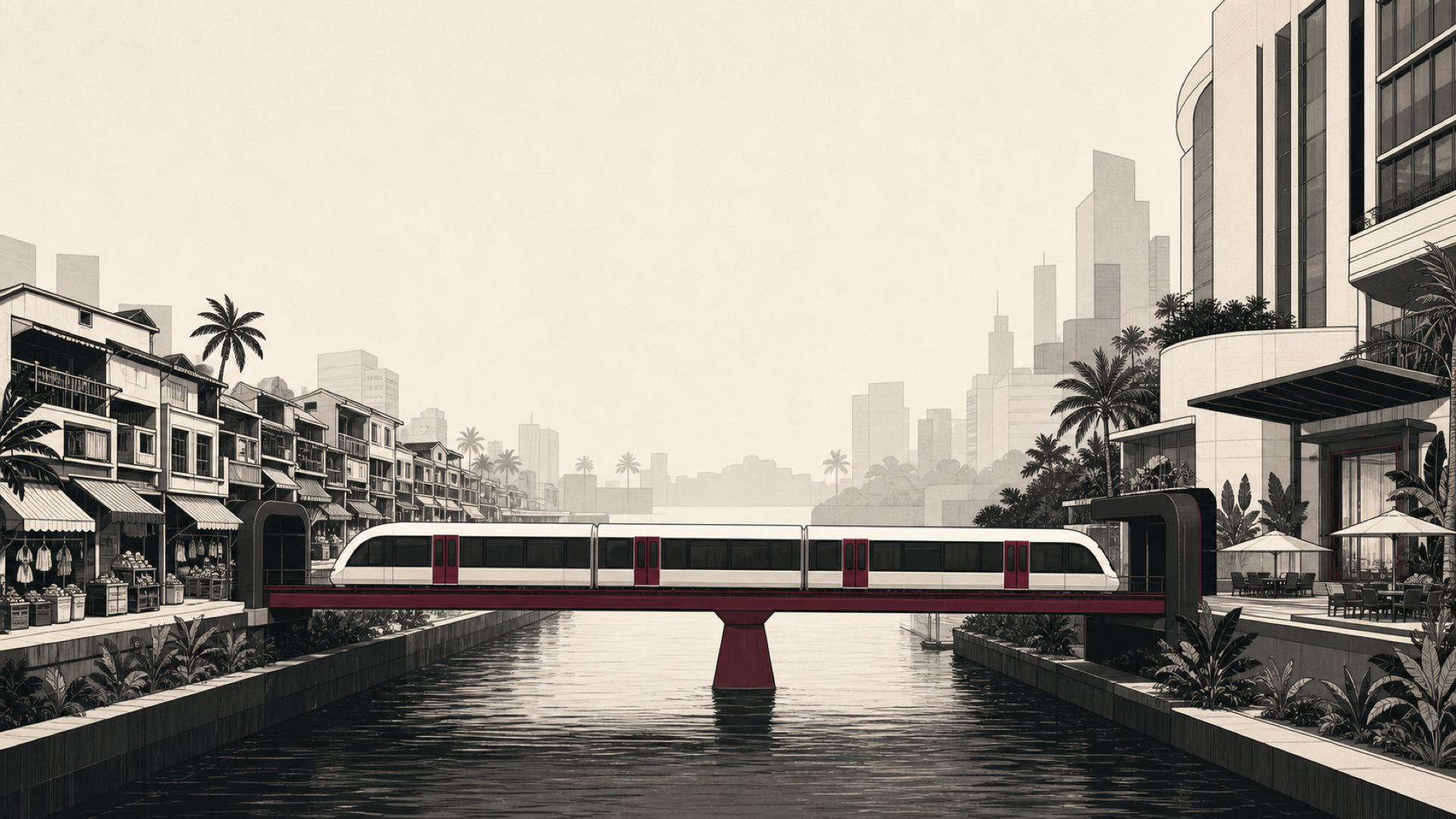
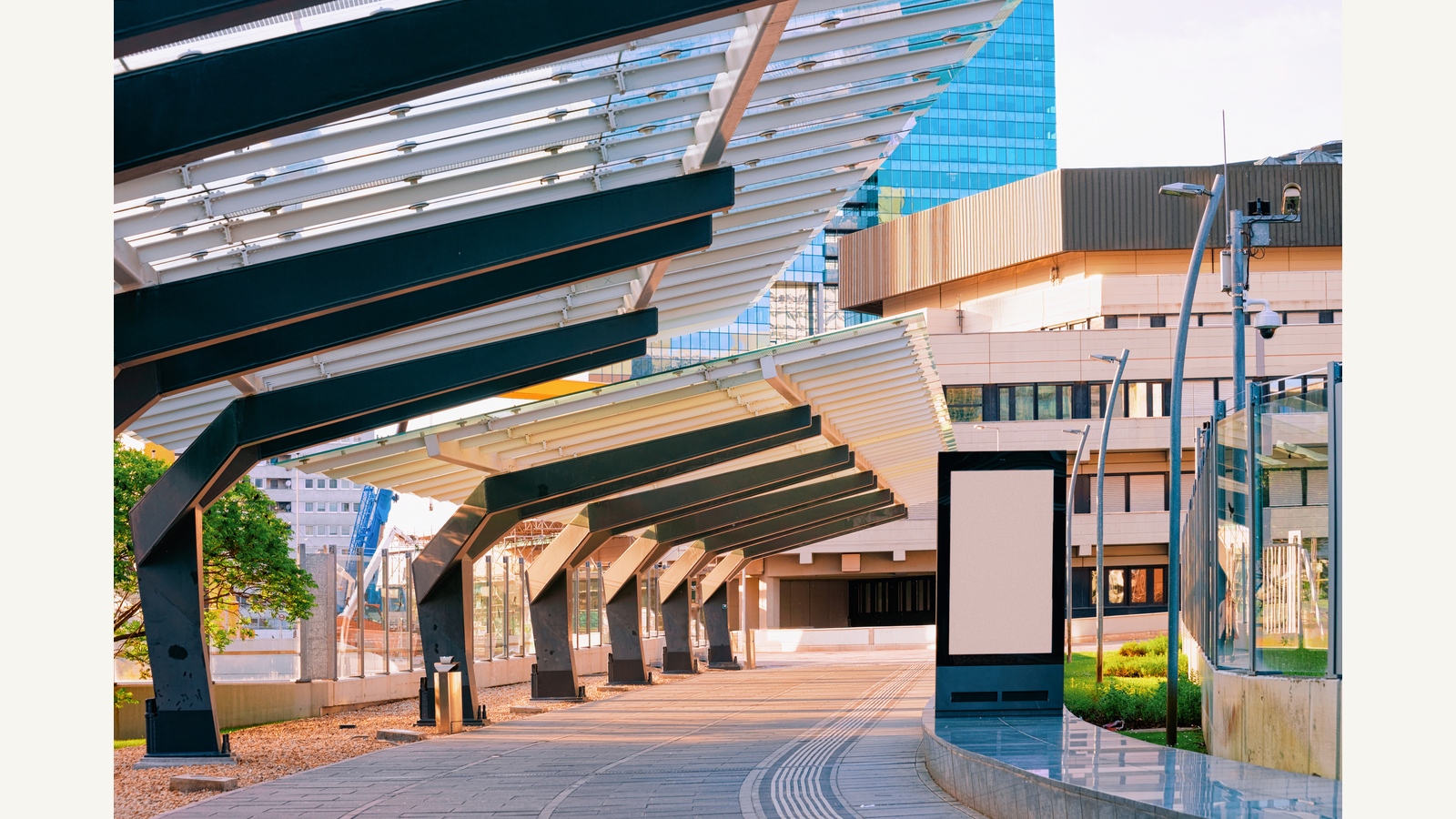
A sheltered three-minute walk links the complex to Hang Tuah station, providing access to light rail and monorail services. The site further integrates passengers with taxis, e-hailing services and local on-demand transit options.
This multimodal access gives coach companies access to a wider catchment without maintaining their own feeder fleets. It also reduces the need for travellers to pay for a separate car transfer across central Kuala Lumpur. For LaLaport, the same interchange can direct arriving passengers through the mall and create spending opportunities before departures.
Conversion of this footfall into retail sales is not guaranteed. Passenger numbers do not reveal dwell time, spending or whether travellers pass directly between coach and rail. The mall operator and transport providers will need coordinated timetables, clear wayfinding and baggage-friendly routes if footfall is to become sales.
Kuala Lumpur City Hall has replaced annual terminal-licence renewals with three-year licences. This longer tenure should make staffing, systems upgrades and operator negotiations easier to plan. It does not eliminate route risk, but it reduces the chance that yearly approval cycles delay investment decisions.
Passenger data will determine the next routes
Yeoh has called for discussions around an open passenger data set to guide transport planning. Useful reporting – distinguishing arrivals from departures and mapping route demand by time of day – could help operators adjust schedules and provide retailers with a clearer view of peak trading periods.
The immediate commercial challenge is whether the hub can scale beyond its roughly 30 per cent starting level without compromising service quality. Sustained growth would support more routes and stronger tenant sales; a stagnant passenger count would conversely expose the limitations of placing transport capacity inside a shopping destination.