

Indonesia turns wellness into a quality-tourism growth platform
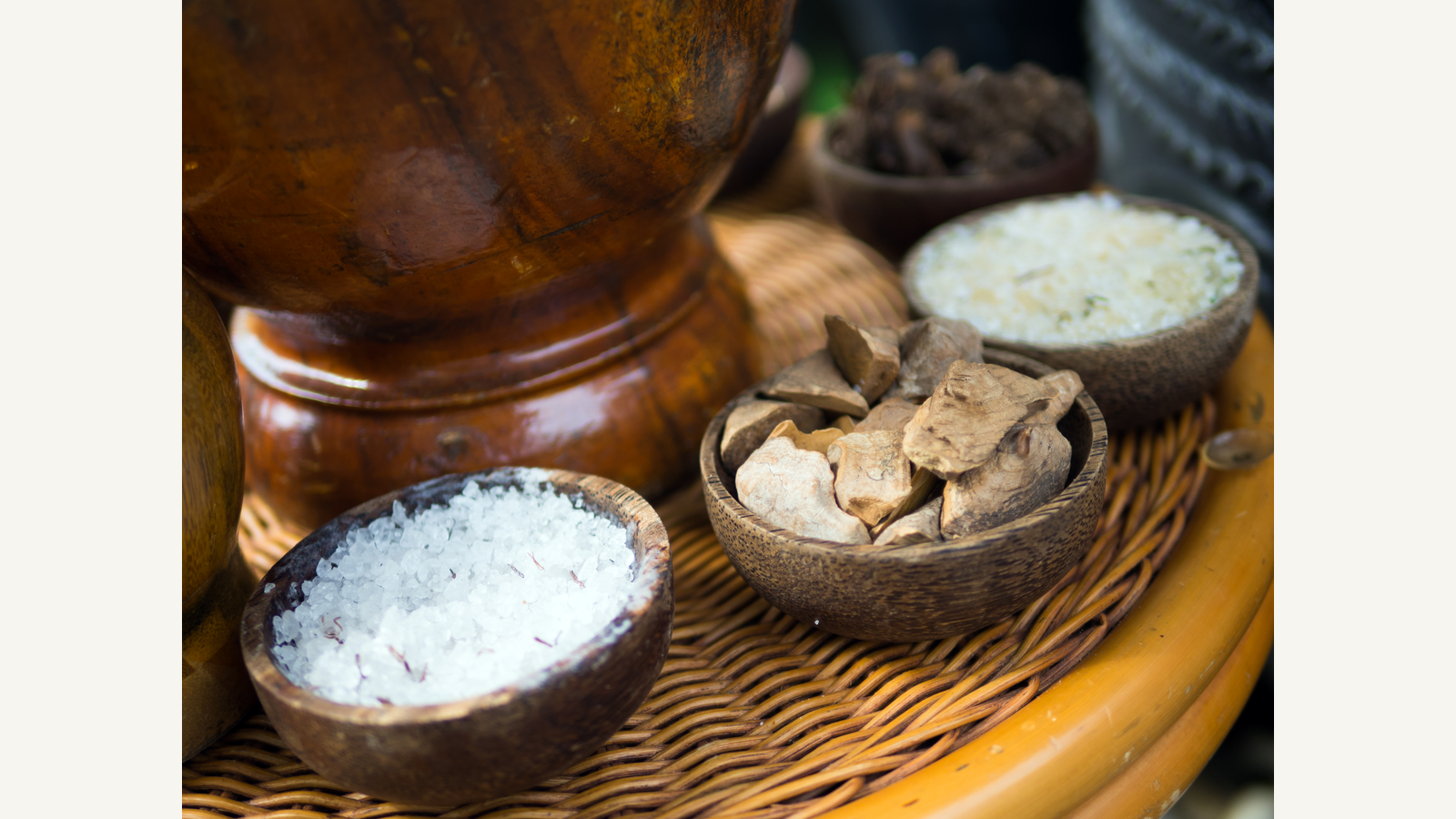
Indonesia’s Ministry of Tourism is set to prioritise wellness as a pillar of quality tourism in November 2026 through the "Wonderful Indonesia Wellness" initiative. The programme will link festivals in Surakarta and Yogyakarta, leveraging Javanese therapies, cuisine, herbal traditions and spiritual practices to transform cultural assets into bookable travel products.
The primary commercial test is whether a month-long promotion can stimulate year-round demand. Success will hinge on a supply chain capable of delivering consistent treatments, credible practitioners, appropriate accommodation and reliable transport across multiple destinations.
Product must outlast promotion
The ministry has drafted a strategic blueprint titled "Wellness Journey Across the Java Wonders". It outlines 10 themes covering Yogyakarta, Solo, Semarang and surrounding areas, with Borobudur serving as the central anchor. The document is designed to assist tourism businesses in assembling integrated packages.
This framework offers tour operators a baseline for combining accommodation, treatments, meals and cultural activities. The two 2026 festivals will provide content for these packages. Surakarta’s programme features music therapy, royal dance and Javanese recipes, while Yogyakarta focuses on healthy food, herbs and environmental wellness.
Jamu makers, farms, chefs and therapists can contribute to visitor spending, while guides and transport providers broaden the supplier base. Packaging these services into a single itinerary could extend stays and distribute revenue beyond primary festival sites.
However, a route map does not constitute a distribution system. Operators still require defined commission terms, live inventory and standardised booking rules. Hotels must also determine whether wellness serves as an included amenity, an optional add-on or the primary driver for bookings.
Standards are the commercial hinge
Indonesia’s tourism-business portal already establishes a certification framework for spa activities. Standards cover traditional and modern methods, including water therapy, massage, herbs and healthy food. The framework also requires self-assessment regarding facilities, personnel, service delivery and management systems.
The system distinguishes between health, wellness and medical spas, with the latter requiring competency certificates for medical staff. Under this classification, non-medical spa businesses are considered medium-high risk, while medical-spa operations are categorised as high risk.
Separate practitioner schemes exist for traditional body care, facial care, international massage and reflexology. While this provides a basis for buyers to assess quality, the customer journey crosses several regulatory frameworks. The ministry portal currently treats star-rated hotels and spa activities as distinct business standards.
A credible wellness package therefore requires a single operator to verify accommodation, practitioner and treatment quality throughout the itinerary. Inconsistent treatments, ambiguous credentials and unsubstantiated health claims could transform cultural authenticity into commercial risk. Transparent inclusions and complaint handling will be as critical as the cultural narrative.
Yield should define success
Research group the Global Wellness Institute valued global wellness tourism at US$893.9 billion in 2024, forecasting annual growth of 9.1% through 2029. Over the same period, the broader wellness economy is projected to expand from US$6.8 trillion to US$9.75 trillion.
Indonesia should measure the programme’s success by the quality of revenue rather than the volume of arrivals. Useful metrics include average daily room rates, visitor expenditure and package attachment rates. Length of stay, repeat bookings and the proportion of revenue retained by local suppliers would indicate whether the model generates sustainable value.
The optimal outcome would be a repeatable Java circuit marketed before and after November. This requires the ministry to transition from festival coordination to product governance, while private operators convert standards and cultural assets into reliable inventory.