

Lâm Đồng tests road discounts to bridge airport-sized gap
Lâm Đồng Province formally launched the road-focused phase of its 2026 tourism stimulus programme in July, coinciding with the closure of Liên Khương International Airport for runway and taxiway repairs. The campaign offers discounts and integrated itineraries aimed at protecting the province's full-year target of 25.8 million visitors during the summer peak.
The airport suspended operations on March 4 and is scheduled to reopen after August 25. According to the state-controlled operator, Airports Corporation of Vietnam, Liên Khương handled 1.84 million passengers in 2024. It had previously forecast approximately 680,100 passengers for the 2025 summer peak alone.
Replacement capacity remains narrow
These figures underscore the scale of convenience that road transport must replace, though they do not account for the number of cancelled journeys. Air passengers may pivot to coaches or cars, select alternative destinations, or postpone travel entirely – responses that shift spending across airlines, transport operators, and hotels.
By April, nearly 40 tourism and service businesses had registered for the province-wide promotion. Their offers, spanning accommodation, meals, attraction tickets, and gifts, are slated to run through 2026.
This participation represents a starting point rather than comprehensive market coverage. Lâm Đồng reported more than 4,200 accommodation establishments with over 66,800 rooms, alongside upwards of 120 travel companies and nearly 100 tourism sites. Consequently, the registered cohort constitutes only a small fraction of a broad and fragmented supply base.
The new road packages promise prices 20% to 30% below standard rates. Transport companies, hotels, and restaurants are among the suppliers encouraged to discount, while retail, entertainment, and wellness businesses are also eligible to participate.
Published programme details do not specify a public subsidy pool or reimbursement mechanism. Suppliers may therefore be required to fund these offers through tighter margins, unused capacity, or joint packaging. The commercial test lies in whether increased occupancy and longer stays can compensate for the deep discounts.
Routes must become products
The province intends for the journey itself to offer value. Planned themes link flowers with the coast, flowers with heritage, and the coast with heritage. Authorities are also promoting eco-tourism, resort tourism, high-tech agricultural tourism, and community-based tourism.
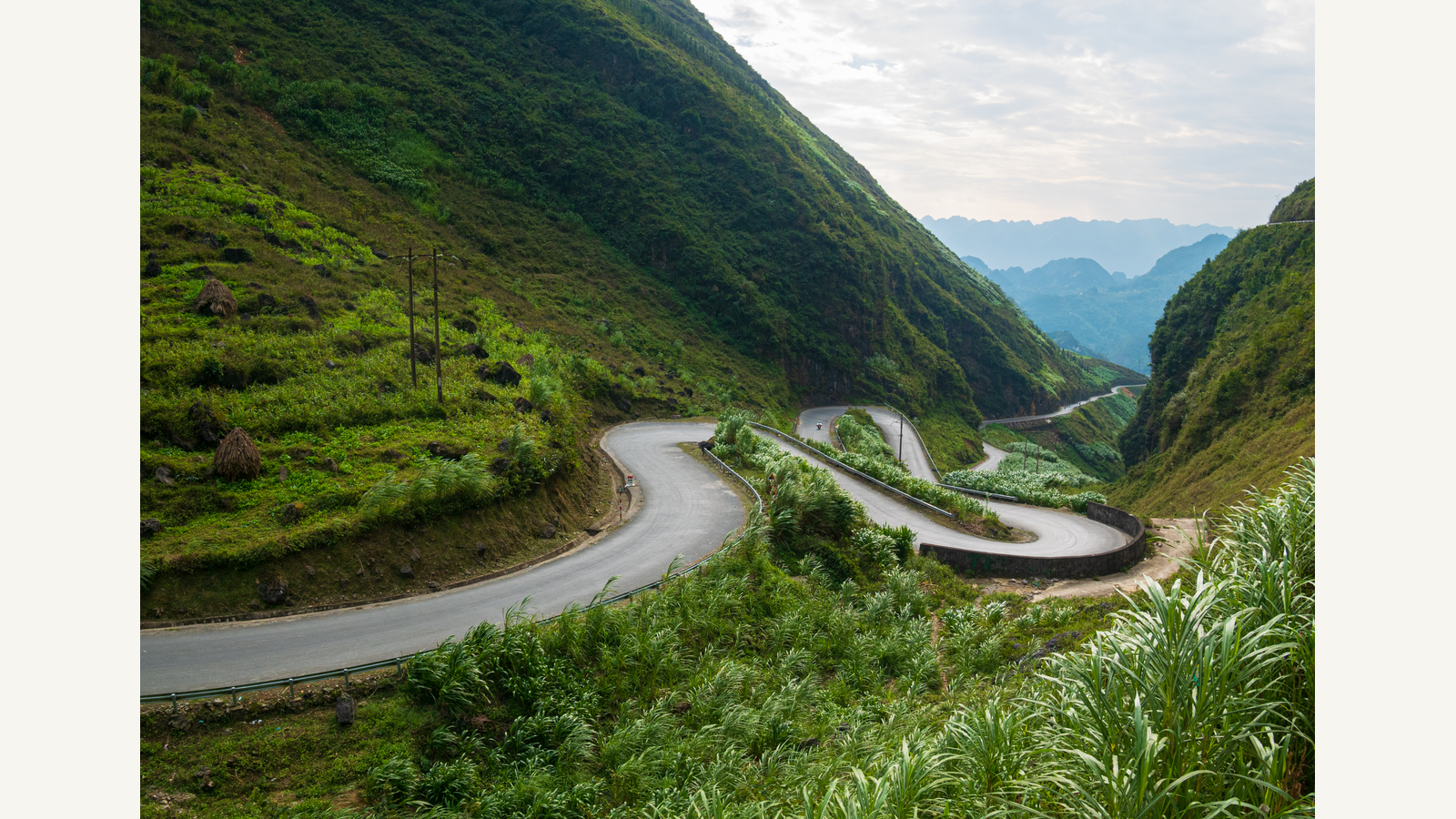
A western highland route connecting Gia Nghĩa, Tà Đùng, and Đà Lạt illustrates how this strategy can distribute demand beyond established centres. To the east, travel businesses have promoted Mũi Né and Phan Thiết during the closure. While one transport operator reported very high passenger flows, public reports lack a market-wide breakdown between coach and self-drive demand.
Interprovincial partnerships will matter, as road travellers traverse several service markets before reaching Đà Lạt. Packaging transport with accommodation and attractions can mitigate the perceived cost of a longer journey, though it introduces handover risks when multiple suppliers share a single booking.
Volume alone will not settle the trade-off
Lâm Đồng received more than 20.76 million visitors in 2025. Achieving the 25.8 million target in 2026 would require growth of approximately 24%, even with its primary airport out of service for a significant portion of the year.
The province requires transparent promotions, improved service standards, and protection of visitor rights. Such controls are commercially important, as deep discounts can produce hidden surcharges or inconsistent service delivery.
Road access can provide a buffer during the closure, particularly for domestic groups and regional visitors. However, it is unlikely to match the speed of air travel for distant or international markets. Success should therefore be measured by room occupancy, visitor spending, and supplier margins, rather than arrivals alone.